Seeds and the food loop
Herm’s tier-one stock includes wheat seed. A repeatable food source reduces work lost to low energy.
Demo economy guide · vendor data checked
This early money guide starts from the safest opening income, not an inventory fire sale. Complete the burial loop first, then turn goods Herm explicitly accepts into working cash. Wood, seeds and bronze scrap also gate construction, so a larger coin balance does not always mean faster progress.
The currently extracted item price fields are insufficient to reconstruct the actual trade price, and vendors have their own money and progression rules. This page can reliably answer who accepts what, how to produce it and what not to rush-sell, but it does not dress an unverified number up as best profit per minute.
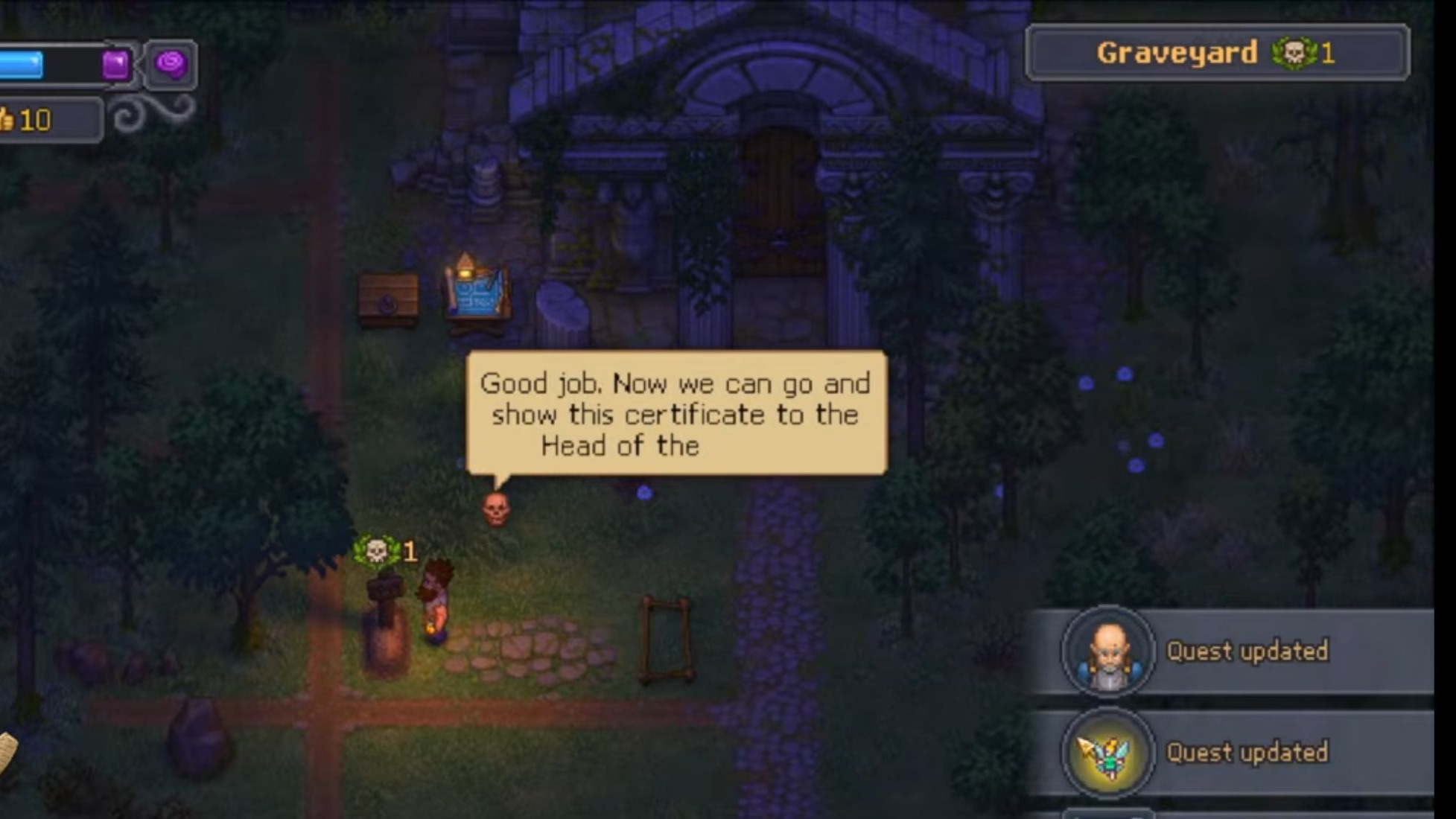
In the game’s vendor data these four items sit in Herm’s tier-one product pool while being marked as not sold by him: goods he takes from you rather than normal stock he sells back.
| Sellable good | How to obtain or make it | Reserve first |
|---|---|---|
| Firewood | 1× Short Log → 1× Firewood, Chopping Spot | Reserve enough for furnaces and daily fuel first. |
| Stick | Surplus sticks from exploration and gathering | Early grave furniture and other recipes also use sticks. |
| Board | 1× Log → 4× Boards, Sawhorse | Boards are a core building material; sell only a known surplus. |
| River fish fillet | 1× River Fish → 1× River Fish Fillet, Kitchen Table | Keep it for your own food when energy is the bottleneck. |
They arrive through the core loop without consuming wood needed for construction. Complete the first grave and turn-in first.
Easy to obtain, but sell only what remains after fuel and recipe needs.
One log makes four boards at the Sawhorse. Building demand is high, so do not mistake working stock for profit.
Herm accepts them at tier one. If energy food is scarce, eating the fillet can advance the save more than selling it.
Herm’s tier-one stock includes wheat seed. A repeatable food source reduces work lost to low energy.
Herm’s tier-one stock also includes bronze scrap. Saving cash for nails, the wooden anvil or the furnace chain is more useful than early decoration.
Check the current objective and next workstation before buying. Stock without a concrete use simply turns cash back into another inventory pile.
Opens the Sawhorse and turns one log into four boards.
Opens Firewood at the Chopping Spot.
Starts the farming branch; treat it as reinvestment rather than instant cash.
Opens the basic fishing rod; the quest and rod access still matter.
A zero-point recipe node for turning river fish into fillets.
Reserve workstation, grave-furniture and repair needs first.
They directly gate woodworking, grave furniture and many early buildings.
Establish repeatable harvests before deciding what is genuinely surplus.
A willing buyer does not prove the quest is finished with it. Keep uncertain items.